
Why We Replaced Sendible Across Our Clients.
Why We Replaced Sendible Across Our Client Accounts
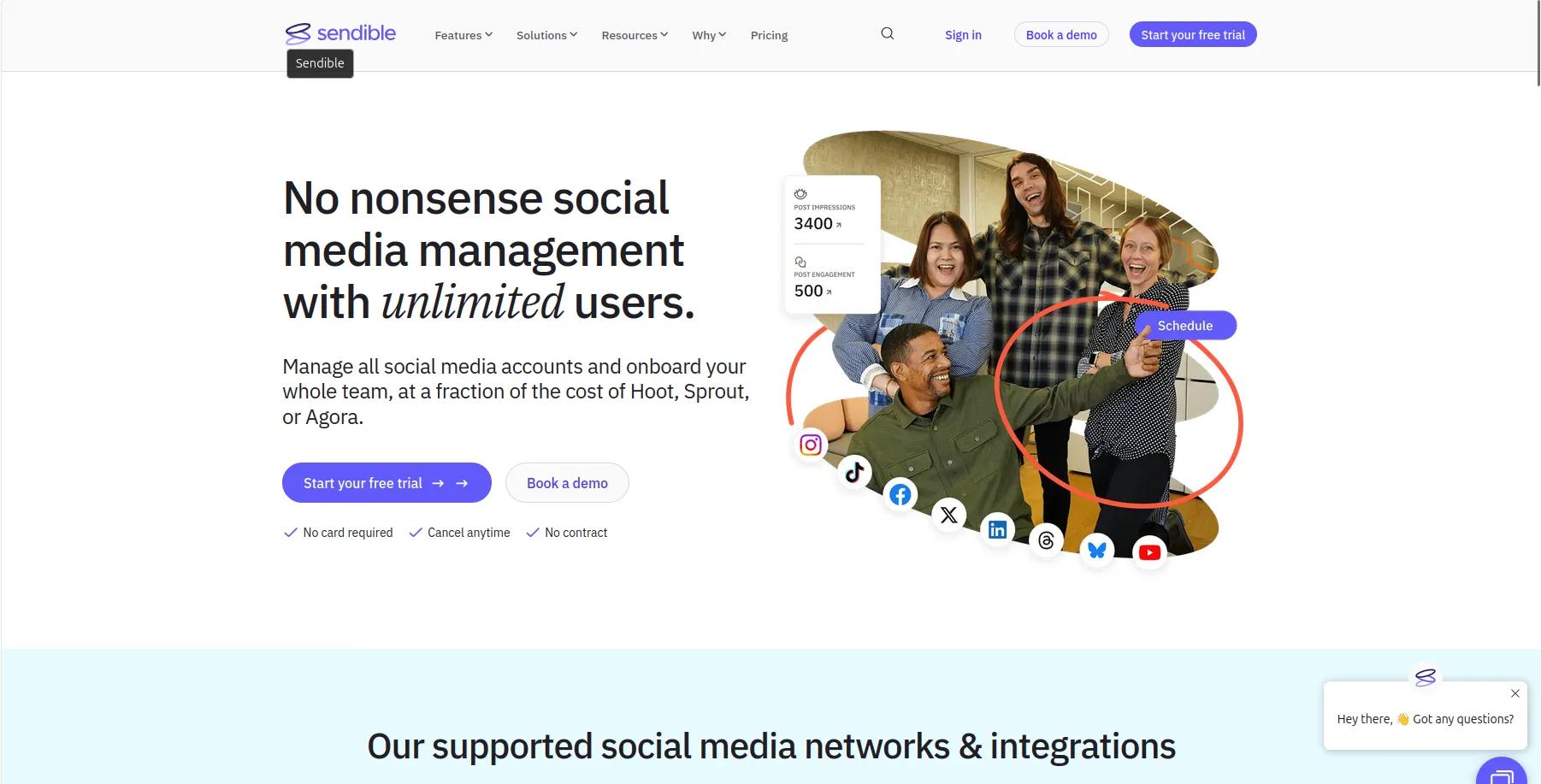
For two years, Sendible was the foundation of how we managed social media for our clients. It worked. We never exactly loved it, but we also never questioned whether we should keep using it. And in agency life, a tool that gets the job done can remain part of your workflow far longer than it should.
Then our agency started growing. We took on more clients, added more accounts, and had more team members working inside the platform. That's when Sendible's limitations became harder to ignore.
The Moment Sendible Stopped Making Sense
We run BrightPath Social Media, a boutique social media agency working with eight clients and roughly forty social accounts across Instagram, Facebook, LinkedIn, and several newer platforms. We're not a huge agency, but we're far beyond a solo operation. On any given day, three team members are actively creating, scheduling, and managing content.
The issue wasn't that Sendible stopped working altogether. The issue was that it became increasingly difficult to scale with.
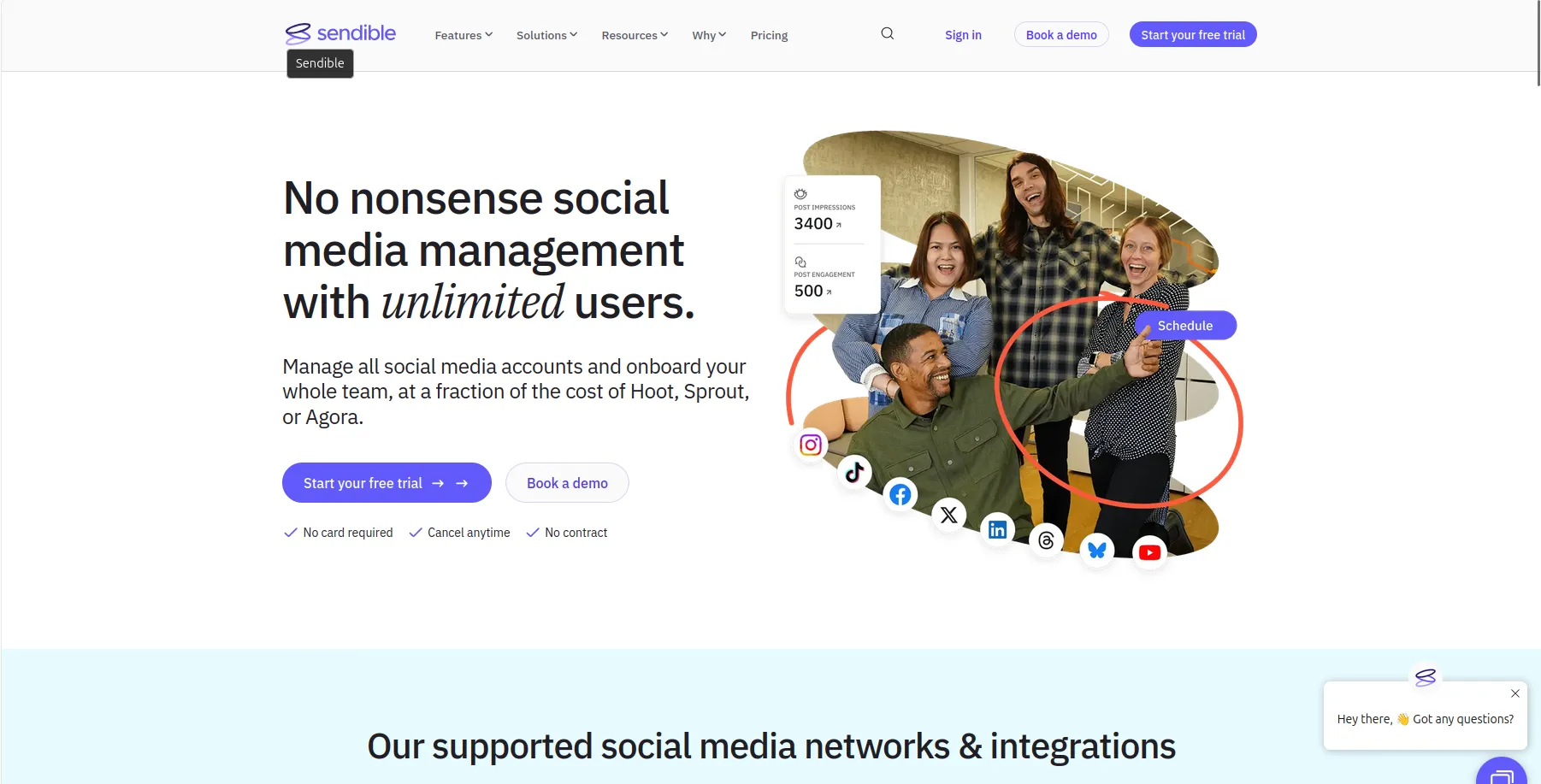
Whenever we brought on a new client, we encountered some form of friction. The white-label functionality something that should help an agency present a polished, professional experience felt more like an extra layer added on top of the platform. Creating a branded client portal involved working through settings that felt outdated. On top of that, the per-profile pricing structure meant that adding a new client with five social accounts required us to calculate the additional cost before we could even confidently send a proposal.
Reporting created another problem. Every month, we exported PDF reports and then spent time manually cleaning them up before sending them to clients. When a process repeatedly requires that much manual correction, the issue isn't just the workflow. The software itself is contributing to the problem.
What We Actually Needed From a Replacement
Before evaluating alternatives, we outlined the features we couldn't compromise on:
A genuine white-label experience. We didn't want to simply replace a logo. We needed a complete branded environment where clients could log in without constantly being reminded that they were using someone else's platform.
Automation that eliminated repetitive work. Our team was repeating the same publishing and content management tasks across multiple accounts. That needed to change.
Pricing that supported growth instead of penalizing it. If signing a new client creates a major increase in software costs before we've even received payment from that client, the pricing model is working against the agency.
A fast, efficient composer. We publish a high volume of content, and a slow or complicated editor can quickly turn into hundreds of unnecessary clicks.
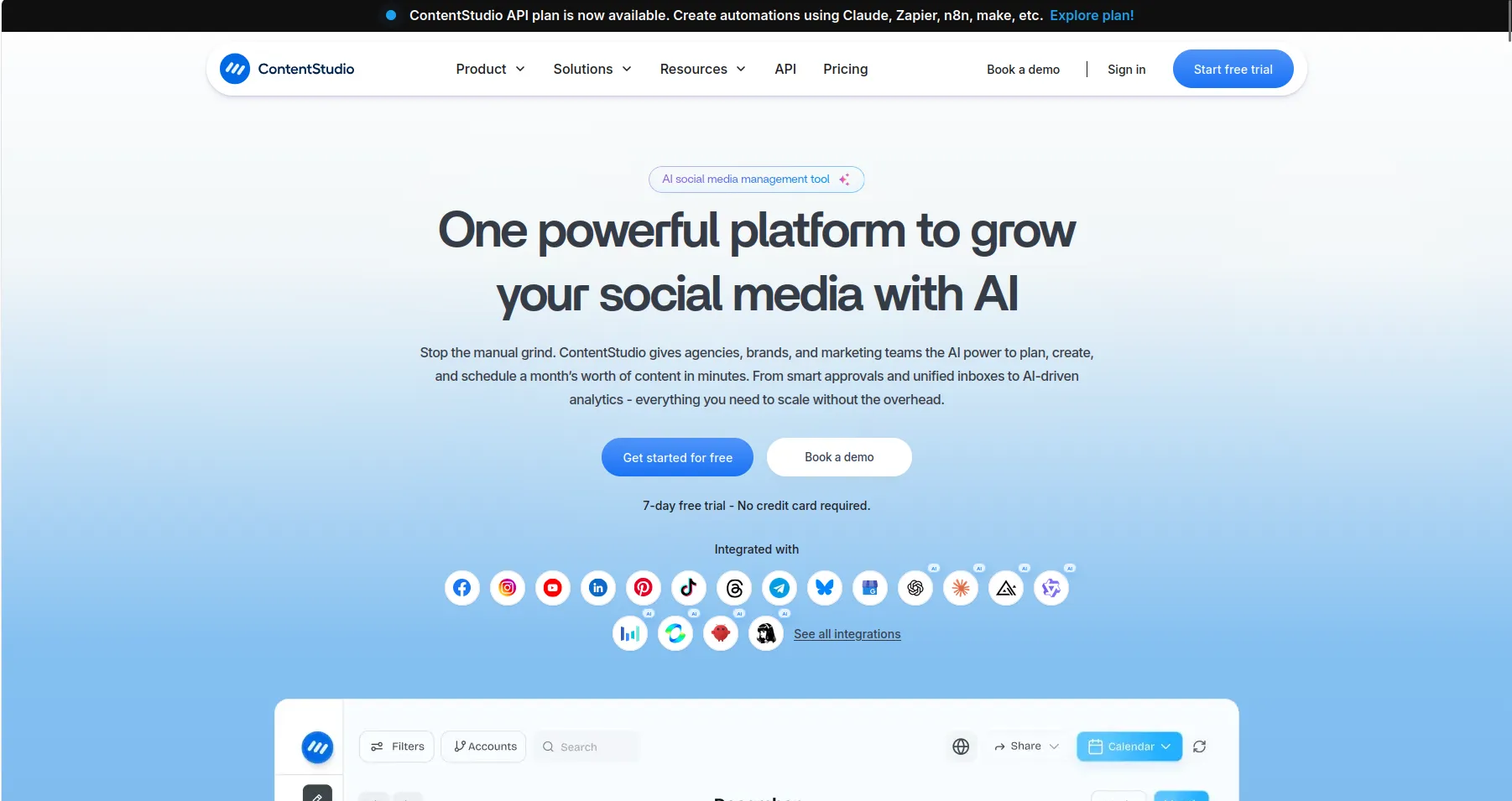
That checklist eventually led us to ContentStudio. Before making the final decision, we also spent time looking at how ContentStudio compares to Sendible to make sure the switch made sense for our agency.
The Switch, Honestly
Migration is the part of changing platforms that most agencies worry about. There are active clients, scheduled posts, connected accounts, and absolutely no room for something to suddenly stop working on a Monday morning.
Our migration took about a week. I had originally expected it to take closer to a month. The social accounts reconnected without major issues. We did have to rebuild scheduled content because there was no instant import option, but that actually gave us a chance to clean up several content queues that had become disorganized over time.
Once everything was up and running, several things changed.
The white-label experience finally felt like a core feature. Clients receive a branded portal with our logo and domain. When they log in to review their content calendar or approve posts, they're interacting with an environment that feels like ours. That's the kind of branded experience we had always wanted to provide.
Automation removed a significant amount of repetitive work. We created content automations for [two clients] that needed relevant industry news to be shared consistently. Tasks that previously took around an hour per week for each client now run automatically. That gave us more time to focus on actual strategy instead of repeating manual publishing tasks.
Our costs became easier to predict. Moving to a flat agency plan instead of paying for every individual profile meant we could add a new client without having to immediately revisit the software cost. That made the sales process much simpler.
The composer also made publishing faster. Creating content once and adapting it across different networks, along with AI assistance when we're facing a blank brief late in the evening, made a noticeable difference over the course of a full publishing week.
What I'd Tell Another Agency Owner
Sendible isn't necessarily a bad platform. For a freelancer managing a small number of social accounts, it may be a perfectly suitable option. But as an agency grows, some of its limitations including per-profile pricing, a white-label system that can feel secondary, and limited automation can begin to create more friction.
For us, the combination of a stronger white-label experience and automation was what made the biggest difference. It allowed us to grow without simply adding more people to handle tasks that software should be able to automate.
Six months after making the switch, we haven't felt the need to go back. Our client portals look more professional than before. Reporting now takes minutes instead of an entire evening. And our software costs don't suddenly jump every time we bring in new business.
If you're managing agency accounts through Sendible and starting to experience similar friction, it may be worth exploring other Sendible alternatives before your next renewal. Comparing different platforms side by side can quickly reveal which tools are better suited to freelancers and which ones are actually built to support agency growth.For More Articles